
The culinary scene in Saudi Arabia is experiencing a transformation—and women are at the forefront.
Since the launch of Vision 2030 seven years ago, Saudi Arabia has undergone sweeping changes. The nation opened its doors to global tourism in 2019, unveiling historic sites like AlUla and developing luxury, sustainability-focused resorts along the Red Sea.
For women, the impact has been profound. Female participation in the workforce rose from 19.4% before Vision 2030 to 33.2% in 2020, while women-owned small businesses jumped from 22% to 38% in the same period.
A particularly dynamic sector is the culinary world, where women are leading restaurants, managing kitchens, innovating in nutrition, and, crucially, safeguarding Saudi Arabia’s culinary heritage.
Leadership at the Top
The push for change began with the creation of a Ministry of Culture in 2018, which included 11 cultural divisions, among them the Culinary Arts Commission—headed by Mayada Badr, the ministry’s first female CEO.
Badr, trained at Le Cordon Bleu in Paris, returned to Saudi Arabia in 2012 to launch a macaron-focused bakery, earning her the nickname “Queen of Macarons.” When appointed to lead the Culinary Arts Commission, she saw both a gap and an opportunity: to elevate women in the culinary sector and preserve Saudi Arabia’s rich food traditions.
“Previously, Saudis often hired foreign experts for culinary roles, rather than cultivating local chefs,” Badr told Travel + Leisure. “Vision 2030 changed that—now Saudi chefs, including women, are taking their place at the table. And the very name—Culinary Arts Commission—signals that cooking is recognized as an art form, elevating the entire industry.”
Social and Technological Shifts
Badr notes that evolving rules around gender integration have played a crucial role. “Women weren’t allowed to work alongside men in certain sectors. Now schools are coeducational, we have concerts, and women can drive,” she said.
Technology has also transformed the culinary landscape. Government processes, like business registration, have been streamlined, while apps now allow people to sell homegrown produce, traditional foods, and baked goods online. “You can do almost everything digitally. We have one of the best government infrastructures online,” Badr added.
Preserving Culinary Traditions
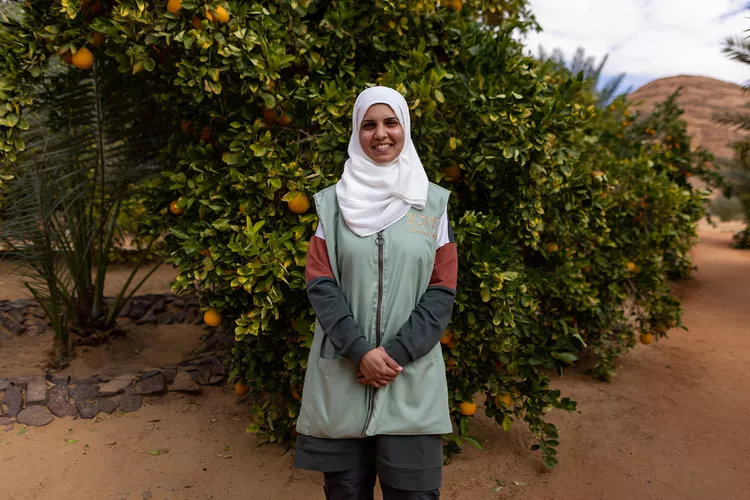
On the ground, women are actively shaping the country’s food culture. At Aljoud Farm in Al-Ula, for example, female workers engage in sustainable agriculture and traditional food preparation, helping preserve culinary knowledge while connecting it to the global stage.
From leadership to the kitchen floor, women in Saudi Arabia are redefining what it means to work in food—innovating, educating, and safeguarding the kingdom’s culinary heritage for generations to come.