
From multicultural farmers markets to inventive chef-driven tasting menus, Aruba’s vibrant food scene is an adventure in itself.
The Saturday market at STR Agriculture, a farm in Noord, Aruba, may look unassuming at first glance. A few tables under a metal awning adorned with tiny Aruban flags display pumpkins, bananas, and cucumbers from STR’s greenhouses. But as I wandered through the stalls, the market came alive with scents, colors, and flavors.
I met a German vendor selling cheesecakes layered with black-cherry jam, a Canary Islands native offering jars of mojo rojo, a spicy red-pepper sauce, and a stand called “Dr. Green” serving fresh lemonade alongside poffertjes, tiny Dutch pancake puffs. Nearby, a cooler held chicken-curry roti rolls, unattended but inviting.
Aruba’s eclectic food scene reflects its rich cultural diversity. The island is home to speakers of Dutch, English, Spanish, and Papiamento—the local Afro-Portuguese creole—making it a true melting pot of flavors and influences.
One of Aruba’s most influential culinary voices is chef Urvin Croes, whose heritage spans Venezuelan, German, Chinese, and traditional Aruban roots. After training in Italy and working for seven years at a Michelin-starred restaurant in the Netherlands, Croes returned to Aruba to open restaurants like Caya, a Latin-Caribbean spot, and Infini, a chef’s-table concept with an eight-course tasting menu featuring crispy Peking quail and beef with Caribbean creole sauce. Impressively, about 60% of ingredients at Infini are locally sourced, a feat on an island with limited arable land. “Aruba has so much to offer,” Croes says. “We can shift perceptions from tourists visiting for beaches to visiting for the food itself.”
With roughly 540 restaurants packed into just 70 square miles, Aruba’s culinary landscape is vast. In San Nicolas, on the island’s southeastern end, Jamaican chef Oneil Williams serves jerk chicken and curry goat at O’Niel Caribbean Kitchen. The town, historically home to Afro-Caribbean oil workers, has undergone a revival with art galleries and the annual Aruba Art Fair.
In Santa Cruz, I explored Huchada, a bakery in a colorful traditional country house—or cunucu—offering empanadas, arepas, and local treats like black-eyed pea fritters and pastechis, a classic Aruban breakfast pastry. Dutch colonial influences appear elsewhere, such as Café 080, which serves kaassoufflé, frikandel, and bitterballen, or Nusa Harbour, known for its rijsttafel, a feast of Indonesian-inspired small plates.
But the essence of Aruban cuisine is uniquely local, blending Indigenous Arawakan, Iberian, and West African flavors. Croes points to dishes like karni stoba, a braised beef stew reminiscent of Portuguese cuisine, and pan bati, a sorghum-based pancake akin to polenta. The best spots to experience these dishes are where locals dine. At Pika’s Corner, you might sample balchi pisca (fish cakes), moochi jampaw (flash-fried grouper), or calco a la parrilla (grilled conch).
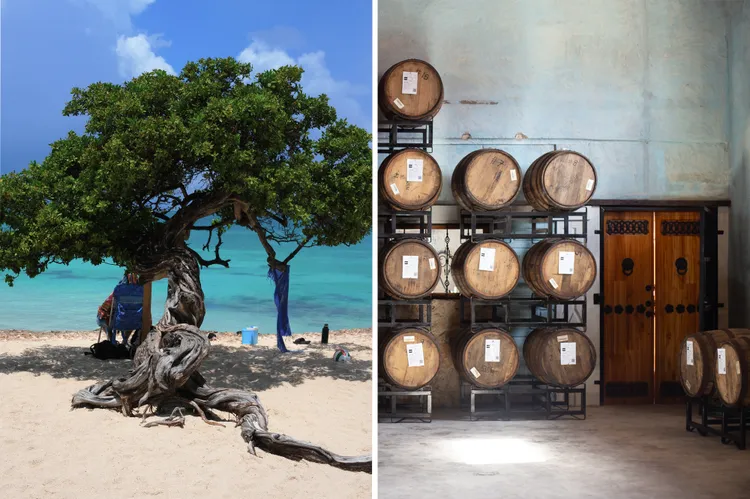
My trip coincided with Autentico, an annual festival launched in 2024 to celebrate Aruban cuisine. In Oranjestad, the pastel-hued capital, pop-up restaurants and bars served everything from skirt steak to guava-glazed pork belly, while cocktails like aloe-vera liqueur from Pepe Margo Distillery stole the show.
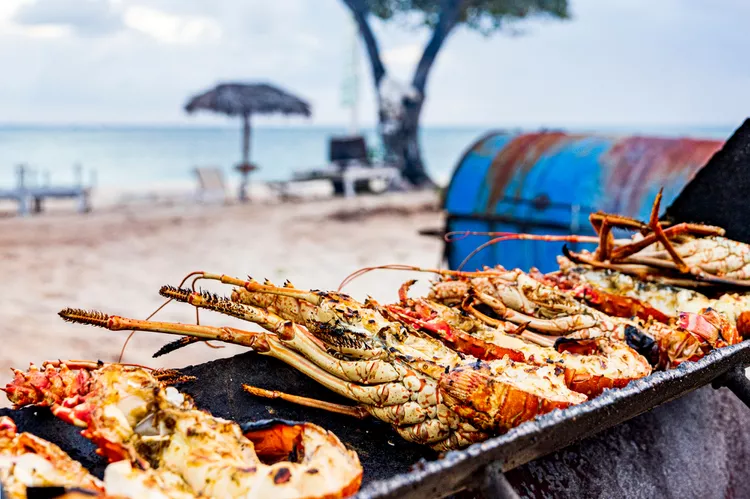
Yet my favorite meal was a simple one at Zeerover, a small seaside spot in Savaneta. Here, you pay by the pound for fresh red snapper, shrimp, and other seafood, cooked to order right on the pier. Fries and plantains are served in baskets, topped with pickled onions and Zeerover’s signature creamy white sauce. With a cold Balashi beer and a few dabs of Aruban papaya hot sauce, this casual waterfront feast was unforgettable—proof that Aruba’s culinary revolution is as much about authenticity as it is about innovation.